
Understanding Backlinks
Backlinks, also known as inbound links or external links, are hyperlinks from one website to another. When a website links to your content, it’s essentially vouching for your credibility and relevance. Search engines like Google view these links as votes of confidence, indicating that your content provides value to users. The more high-quality backlinks your website earns, the more authoritative it appears to search engines.
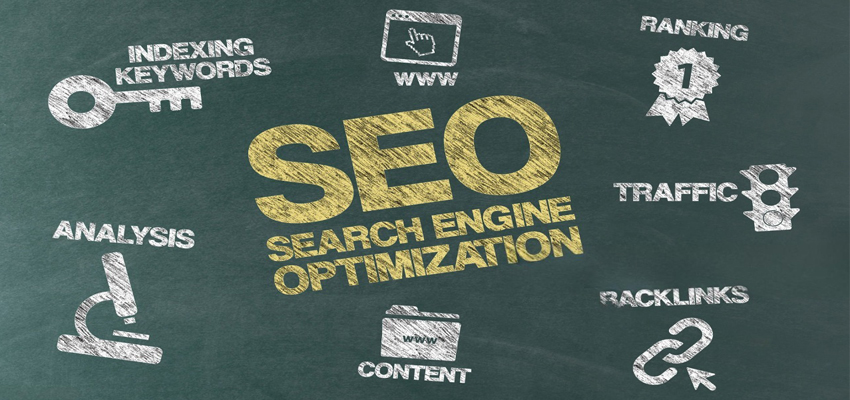
Types of Backlinks: A Comprehensive Overview
| Backlink Type | Description | SEO Value |
| Dofollow Links | Links that pass SEO authority and ranking power | High |
| Nofollow Links | Links with rel=”nofollow” attribute that don’t pass direct SEO value | Moderate |
| Editorial Links | Naturally earned links from quality content | Very High |
| Guest Post Links | Links acquired through contributing content to other sites | High |
| Directory Links | Links from business or niche directories | Low to Moderate |
| Forum/Comment Links | Links from forum signatures or blog comments | Low |
| Resource Page Links | Links from curated resource or link roundup pages | High |
| Broken Link Building | Links earned by replacing dead links on other sites | High |
Why Backlinks Matter for SEO
Backlinks serve as the backbone of Google’s ranking algorithm. They help search engines determine the quality, relevance, and trustworthiness of your website. When reputable websites link to your content, it signals to Google that your site deserves higher rankings. This is why every best SEO agency in Delhi emphasizes building a strong backlink profile as part of their optimization strategy.
Beyond rankings, backlinks drive referral traffic directly to your website. When users click on links from other sites, they’re already interested in your niche, making them more likely to convert into customers. This targeted traffic often has higher engagement rates and lower bounce rates compared to other sources.
The Quality vs. Quantity Debate
According to the latest Google algorithm updates, quality trumps quantity when it comes to backlinks. A single link from an authoritative domain like Forbes or The New York Times carries significantly more weight than dozens of links from low-quality directories. Any best SEO agency in Delhi worth its salt will focus on earning links from relevant, high-authority websites rather than pursuing mass link-building tactics.
Google’s recent updates have become increasingly sophisticated at identifying unnatural link patterns. Practices like buying links, participating in link schemes, or using automated link-building tools can result in severe penalties. Modern SEO requires a natural, earned approach to link acquisition through creating exceptional content that others want to reference.
Building Effective Backlinks
Successful backlink strategies involve creating valuable, shareable content that naturally attracts links. This includes in-depth guides, original research, infographics, and tools that solve real problems for your audience. Guest posting on reputable industry blogs, digital PR campaigns, and building relationships with influencers are also effective methods recommended by the best SEO agency in Delhi.
Additionally, broken link building, where you identify broken links on other websites and suggest your content as a replacement, remains a powerful tactic. Resource page link building and creating linkable assets like industry reports or case studies can also generate quality backlinks organically.
Monitoring Your Backlink Profile
Regular audits of your backlink profile are essential. Tools like Google Search Console, Ahrefs, and SEMrush help track new backlinks, identify toxic links, and monitor your overall link health. Working with a best SEO agency in Delhi ensures your backlink strategy aligns with current best practices and algorithm updates.
In conclusion, backlinks remain indispensable for SEO success. They enhance your website’s authority, improve search rankings, and drive qualified traffic that converts into business growth.
Important FAQs About Backlinks
1. How many backlinks do I need to rank higher?
There’s no magic number. Focus on earning high-quality backlinks from authoritative, relevant websites rather than accumulating large quantities of low-quality links. Even a few dozen quality backlinks can outperform thousands of spammy ones.
2. Are all backlinks equally valuable?
No. Backlinks from authoritative, relevant websites in your industry carry significantly more weight than links from unrelated or low-authority sites. Contextual links within content are more valuable than footer or sidebar links.
3. How long does it take for backlinks to impact rankings?
Typically, it takes 4-12 weeks for search engines to discover, crawl, and incorporate new backlinks into their ranking calculations. However, the impact varies based on the authority of the linking site and your overall SEO strategy.
4. Can bad backlinks hurt my website?
Yes. Toxic backlinks from spammy, irrelevant, or penalized websites can negatively impact your rankings. Use Google’s Disavow Tool to remove harmful links and regularly audit your backlink profile to maintain link quality.
5. What’s the difference between dofollow and nofollow backlinks?
Dofollow backlinks pass SEO value and authority to your website, directly influencing rankings. Nofollow backlinks include a tag telling search engines not to pass authority, but they still provide referral traffic and brand exposure, making them valuable for a natural link profile.